
Lizzy Lunday

Lizzy Lunday
Split Down the Middle, I’m on Both Sides Good and Evil, 2026
Oil on linen
82 x 55 inches
Lizzy Lunday
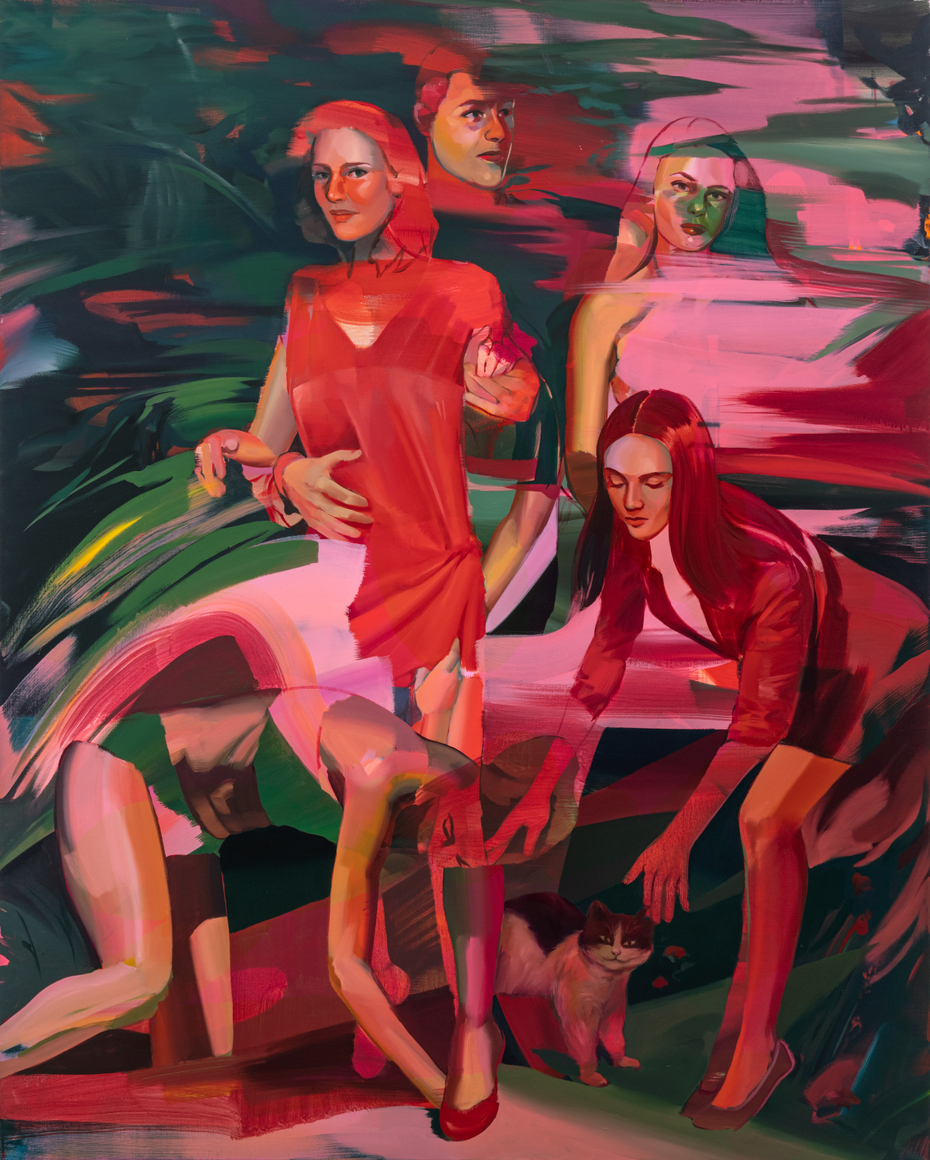
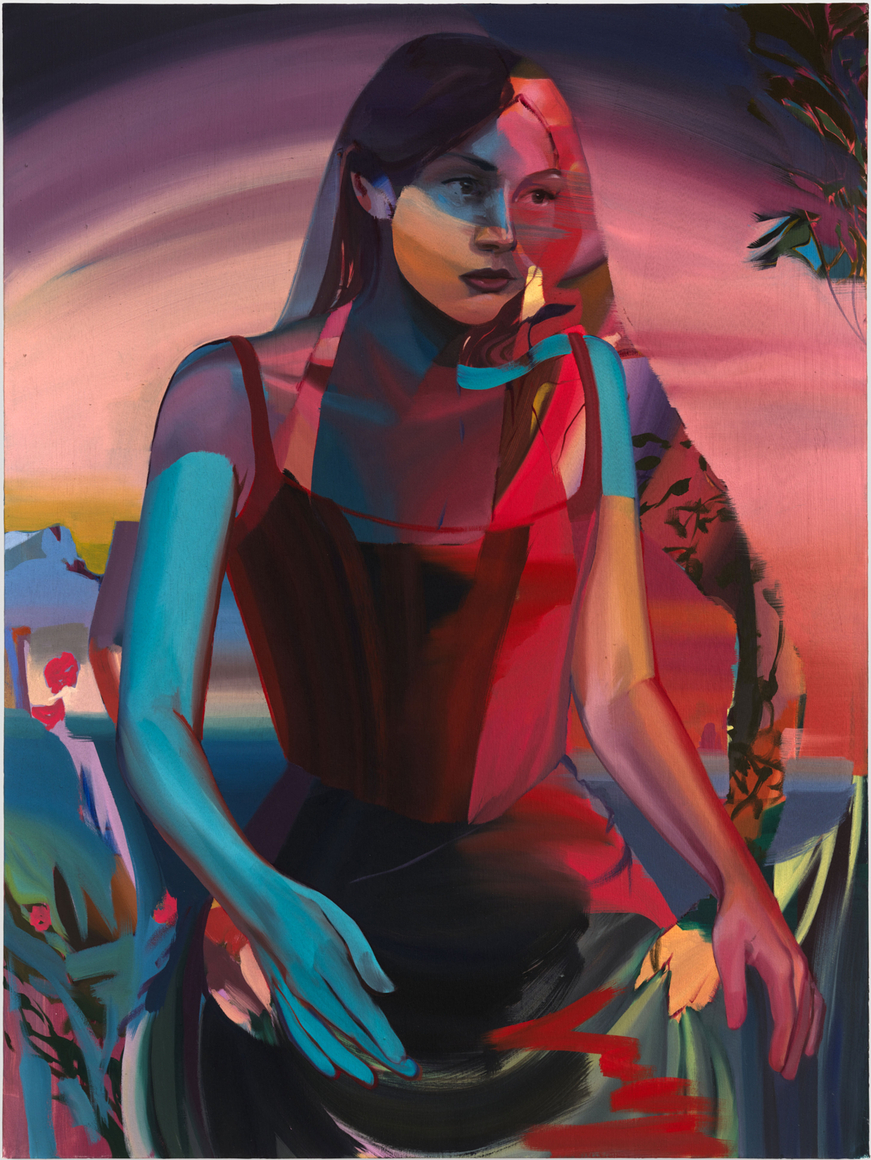
Part of the Foliage, 2026
Oil on linen
70 x 48 inches
Lizzy Lunday
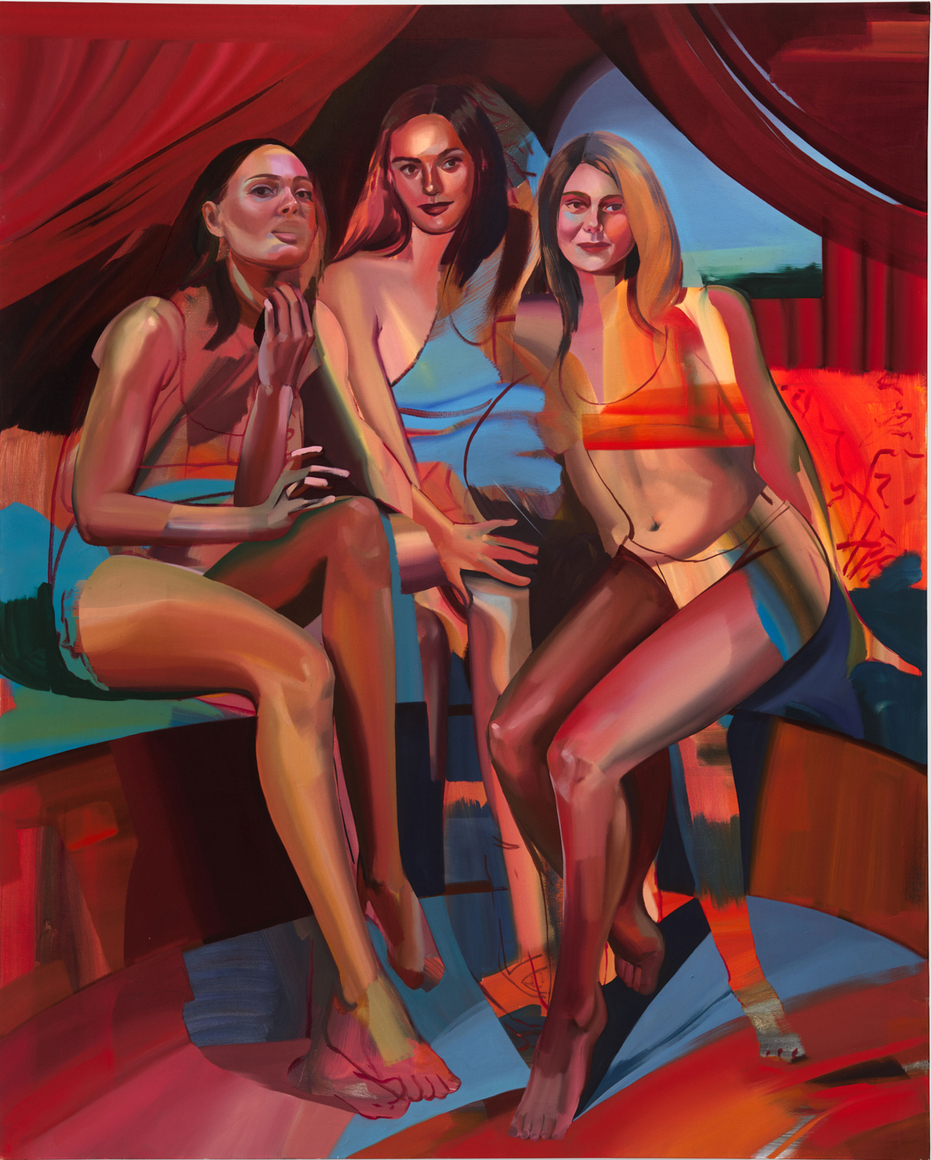
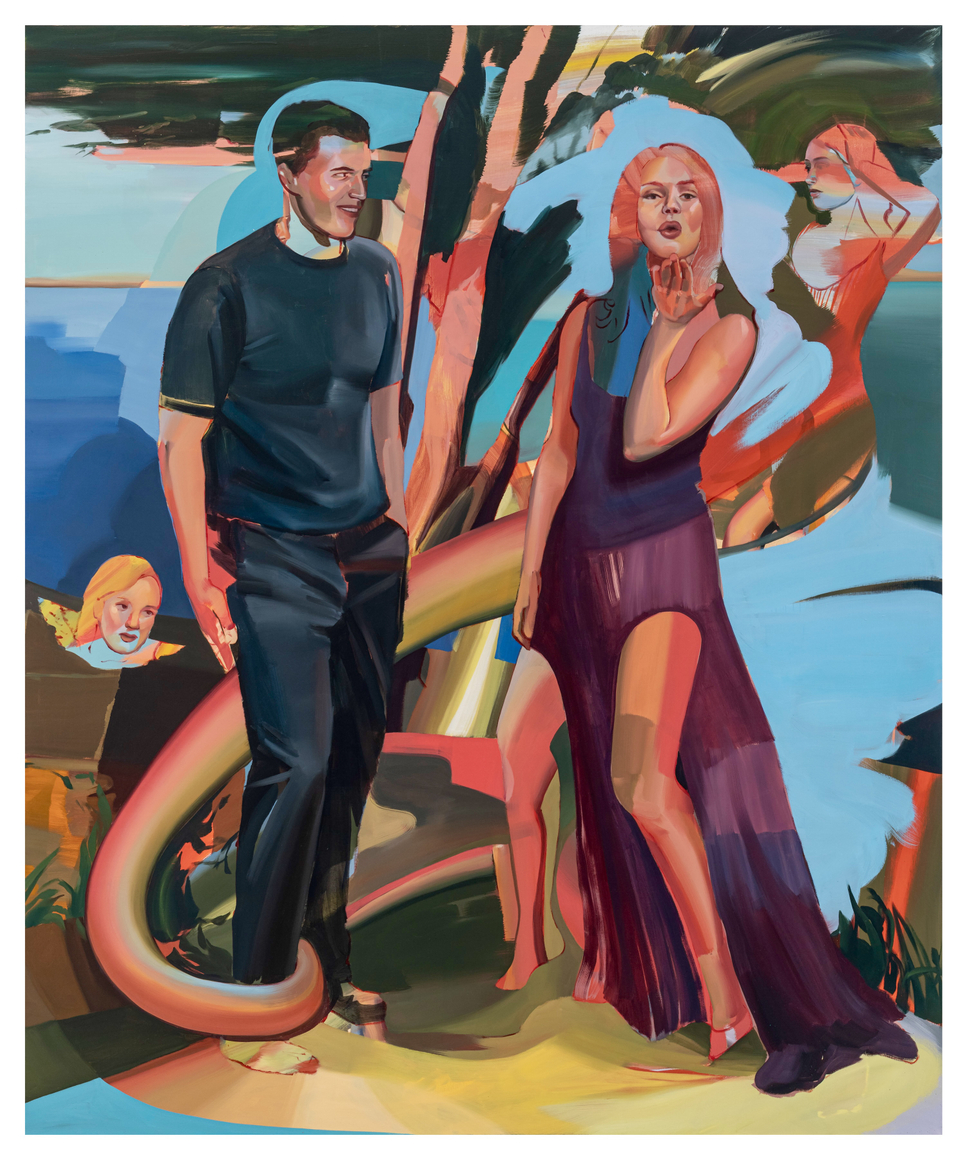
Cabana Compilation, 2026
Oil on linen
82 x 66 inches
Lizzy Lunday
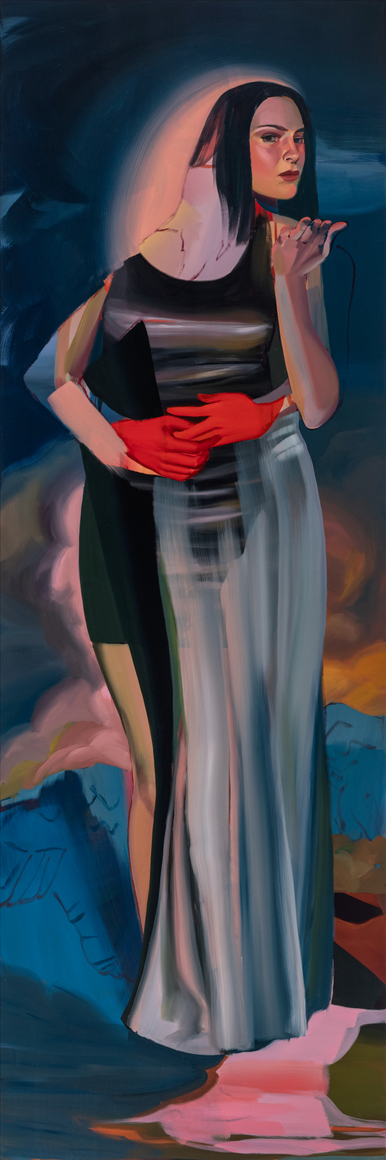
Lead Role, 2026
Oil on linen
84 x 28 inches
Lizzy Lunday
Crowded in the Woods, 2026
Oil on canvas
60 x 48 inches
Lizzy Lunday
Come This Way, 2026
Oil on linen
74 x 60 inches
Lizzy Lunday
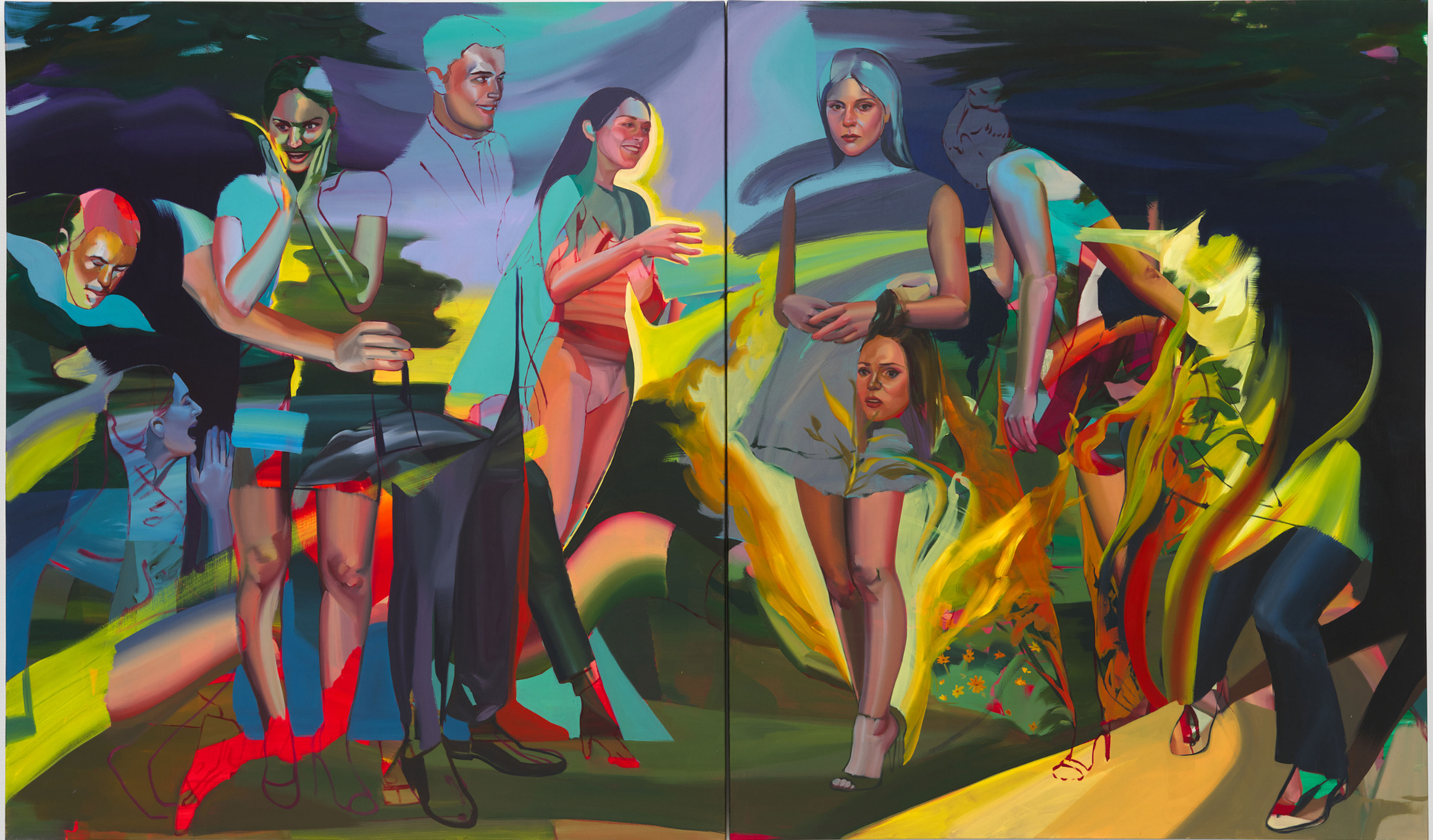
Playing God, 2026
Oil on linen
70 x 118" (2 panels 70 x 60", 70 x 58")
Lizzy Lunday
Kid Gloves, 2026
Oil on linen
48 x 38 inches
Lizzy Lunday
Bound, 2025
Oil and acrylic on linen
70 x 58 inches
Lizzy Lunday
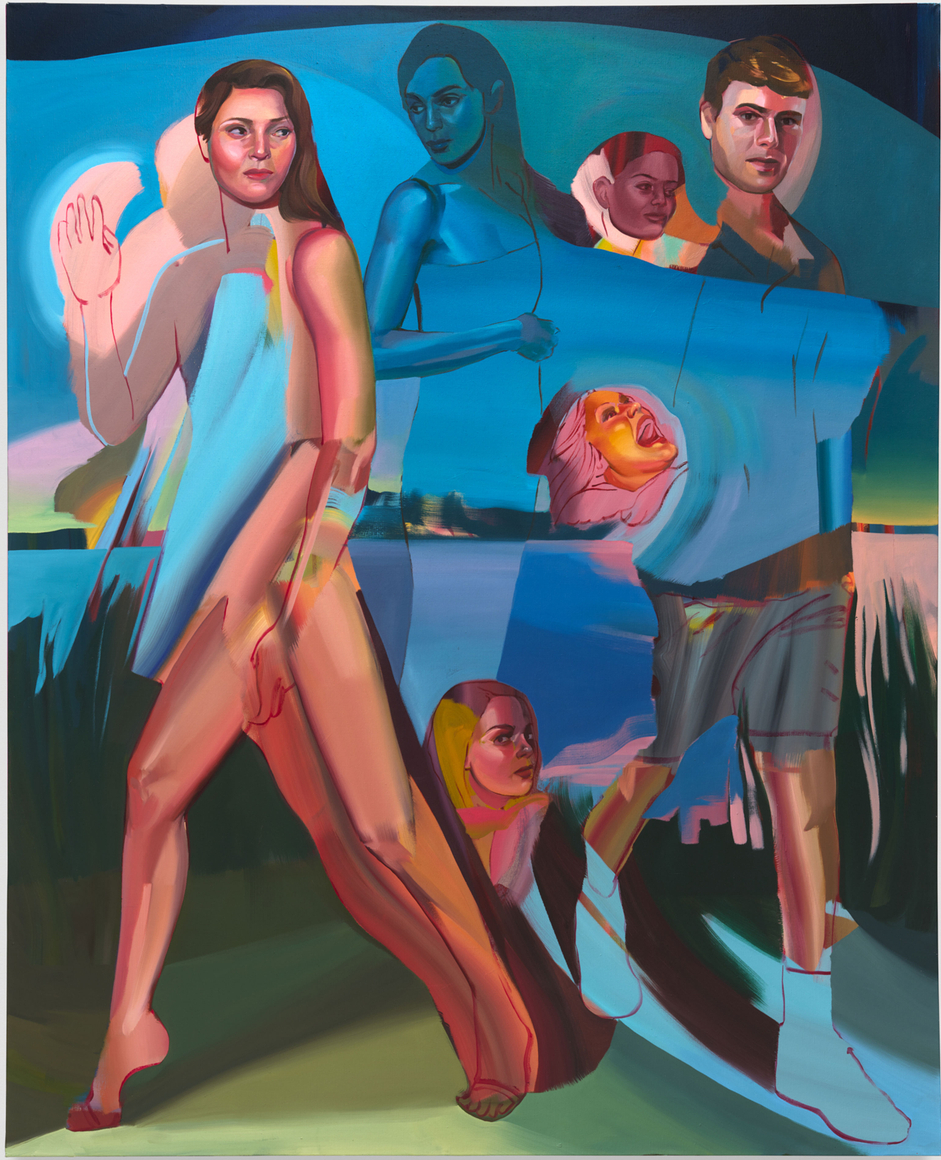
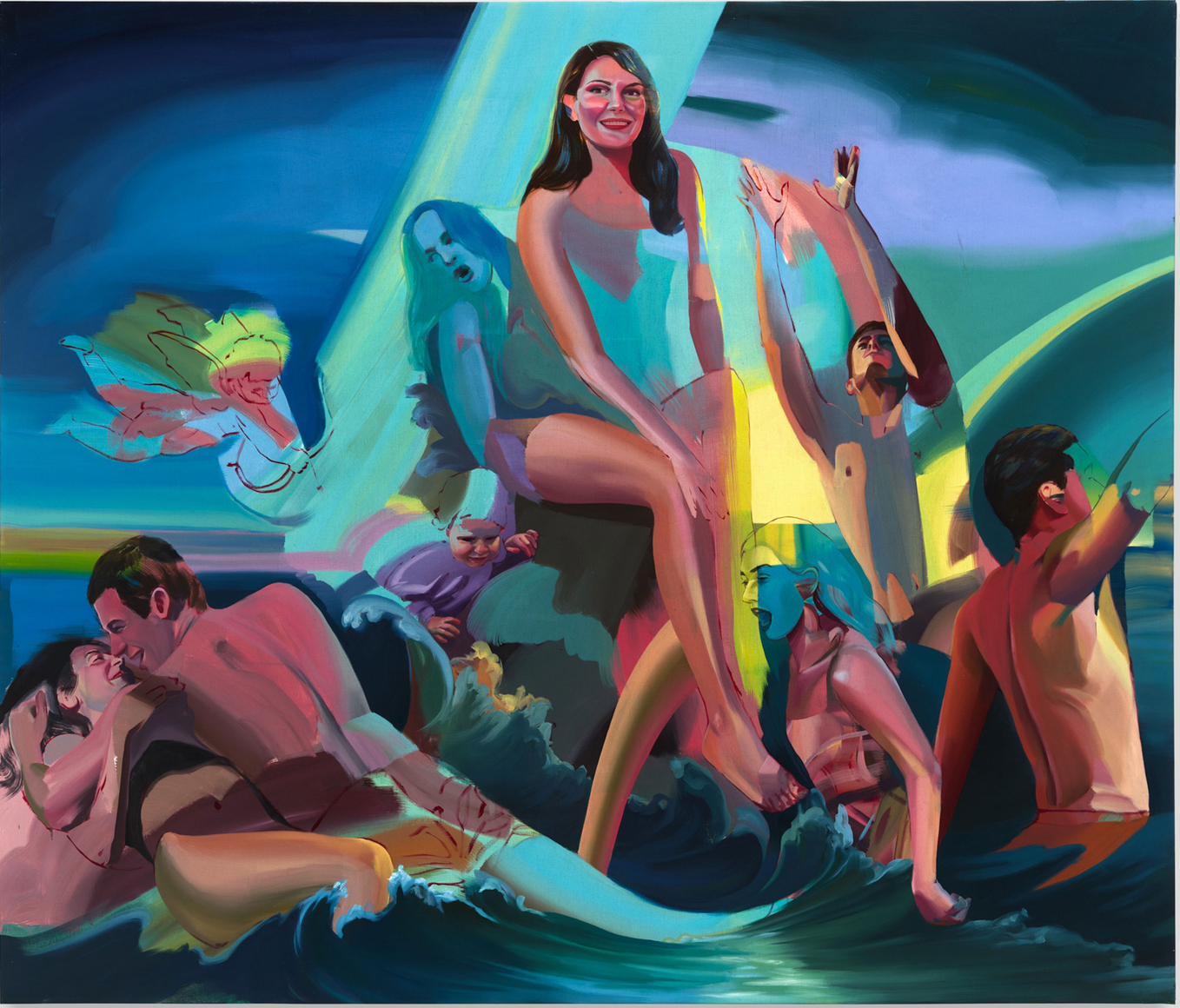
Cycles in the Pursuits of Love, 2026
Oil on linen
70 x 82 inches
Lizzy Lunday
Rotations, 2026
Oil on linen
70 x 46 inches
Lizzy Lunday
Soul Expulsion, 2026
Oil on canvas
72 x 58 inches
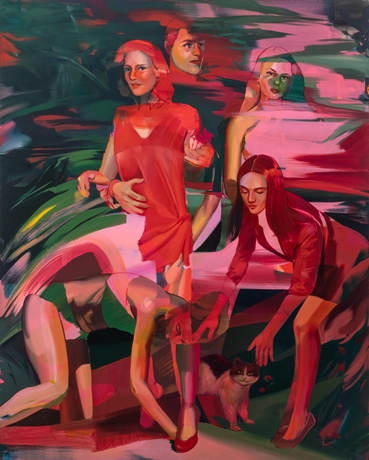
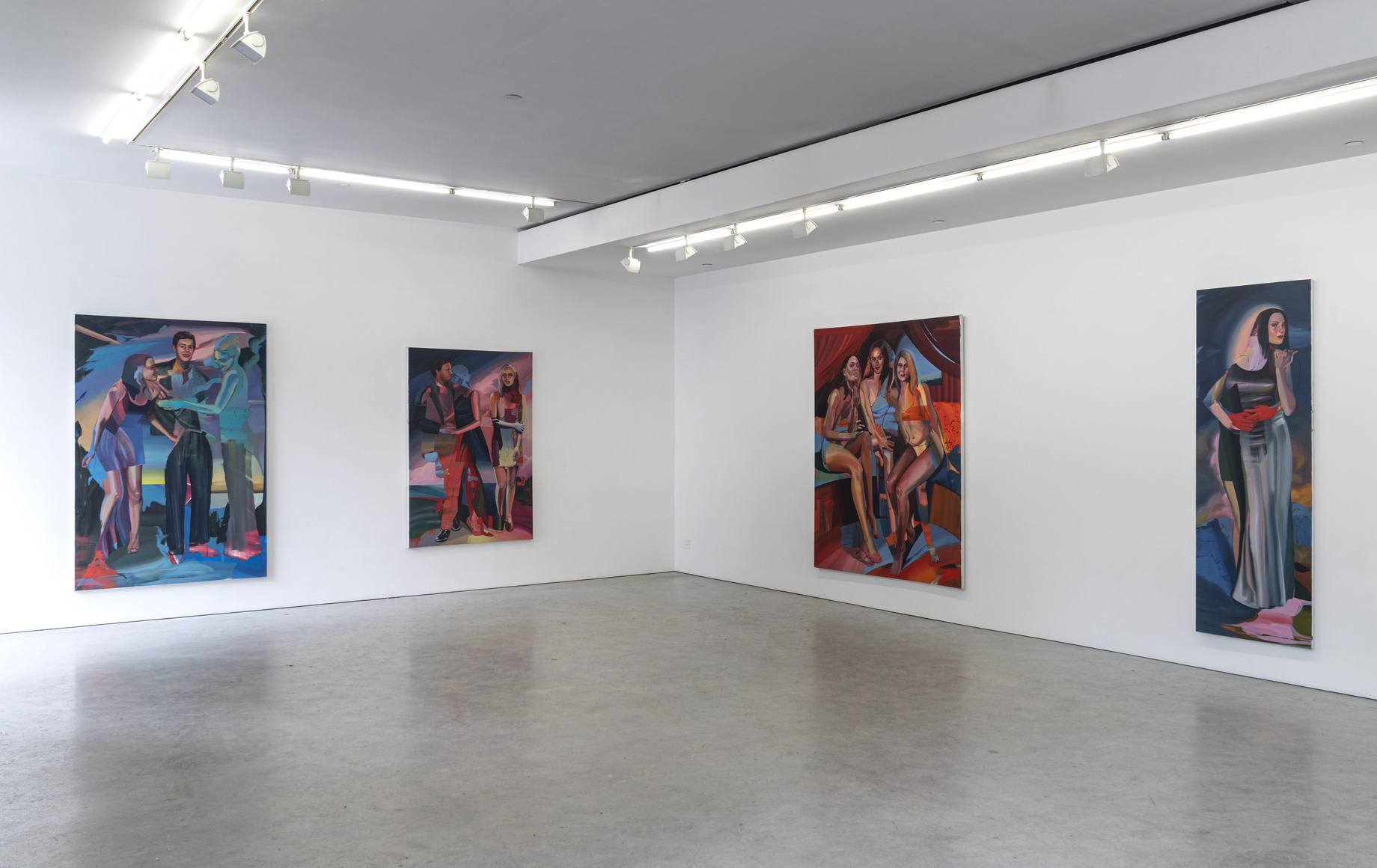
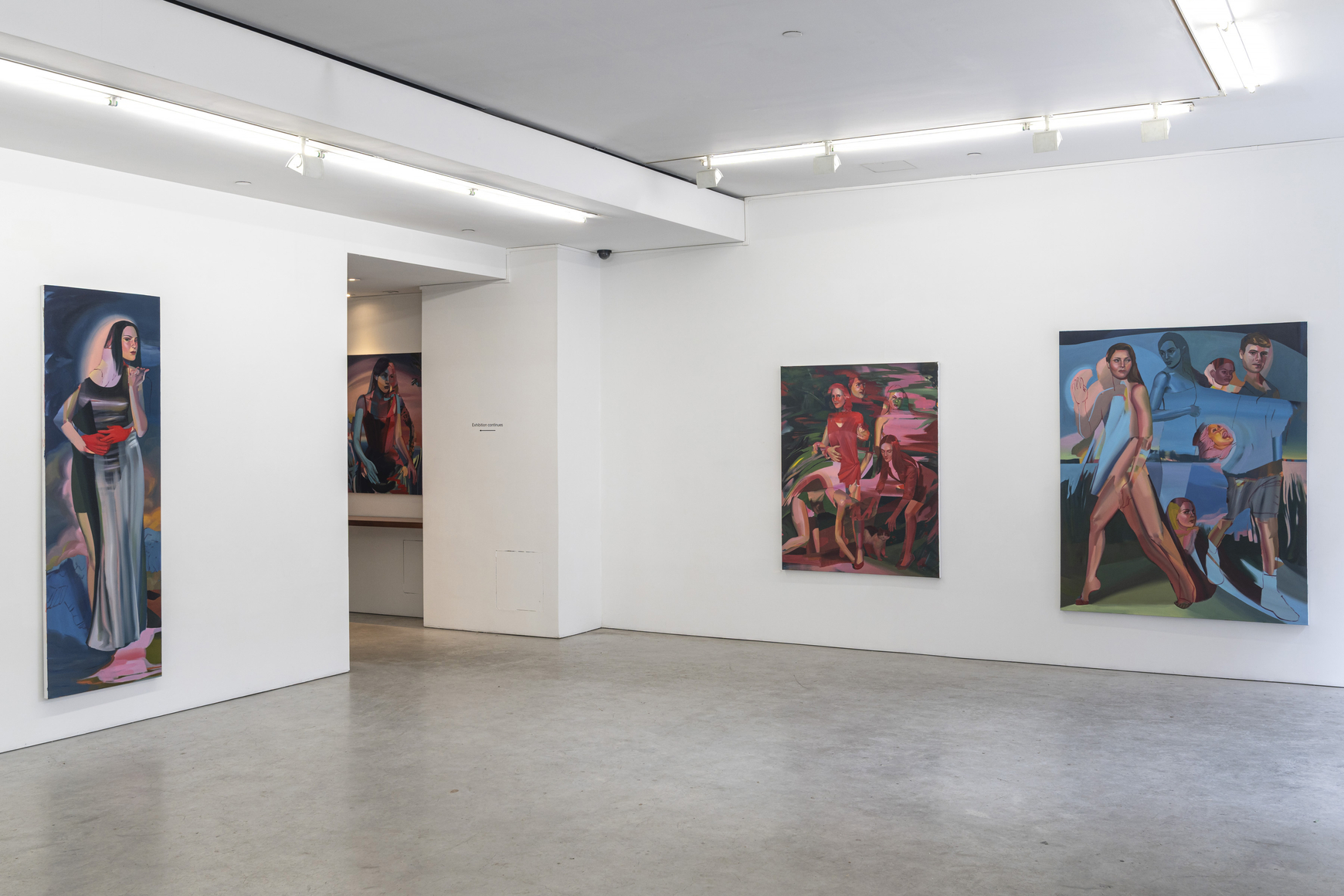
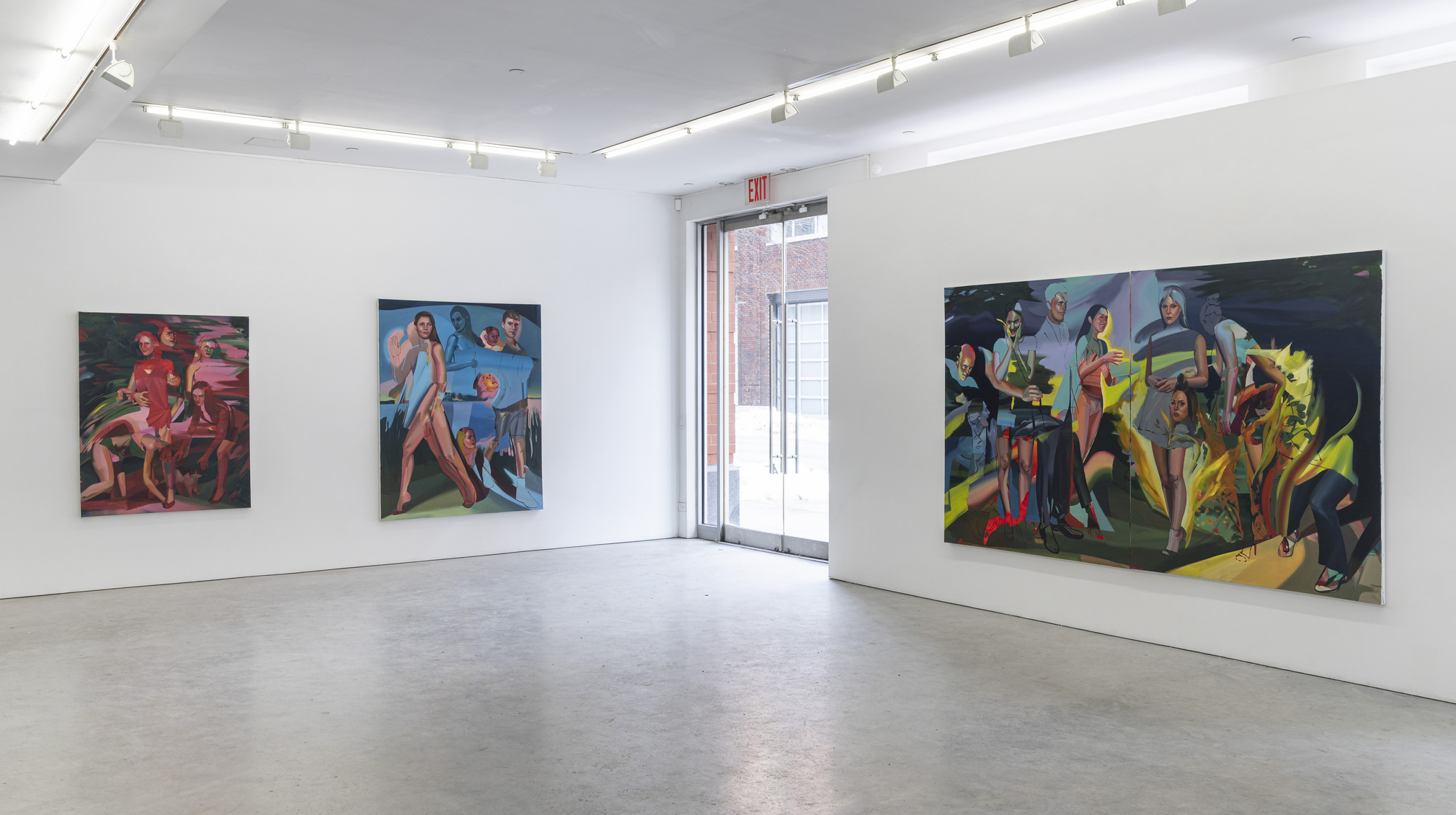
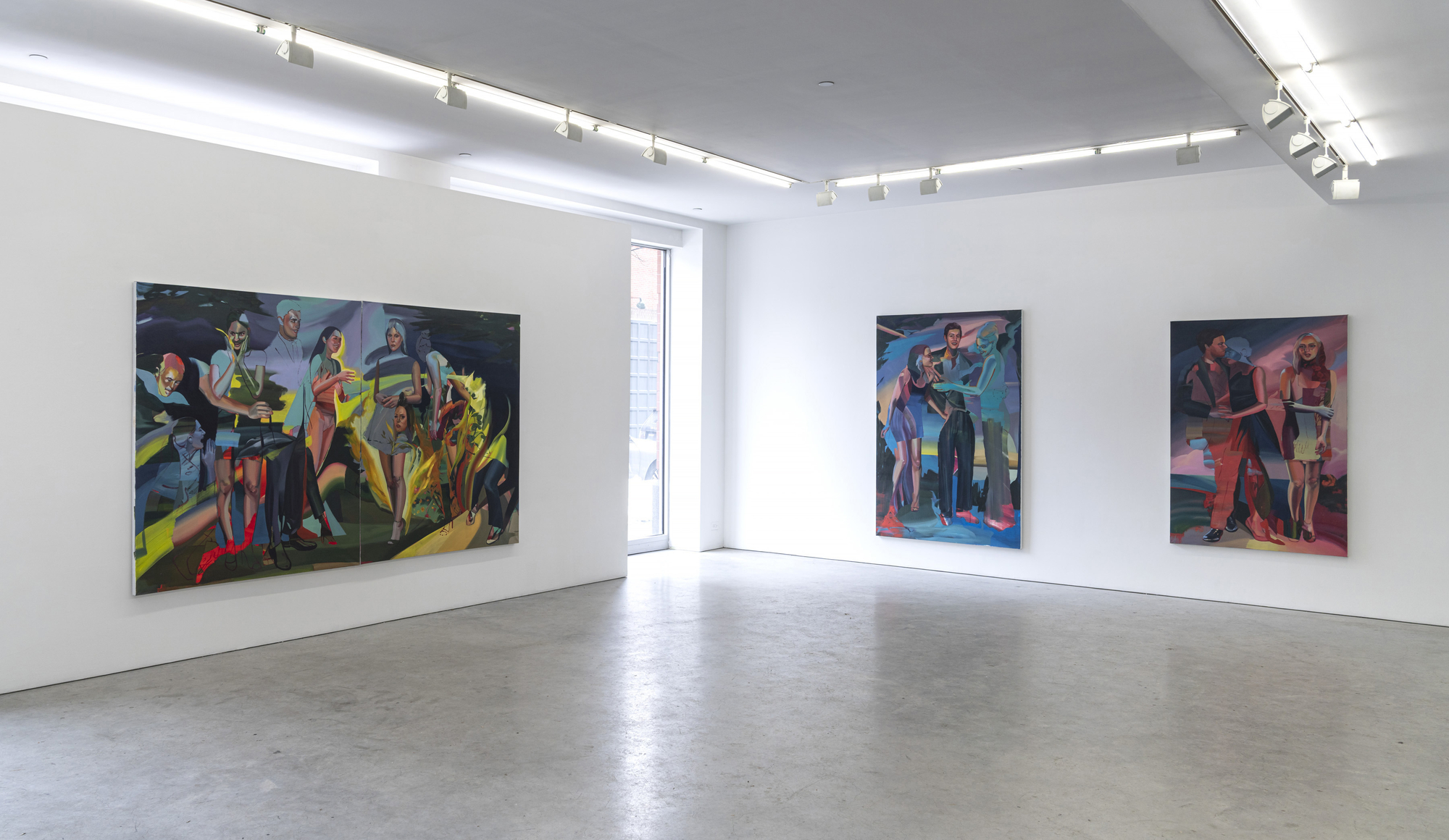
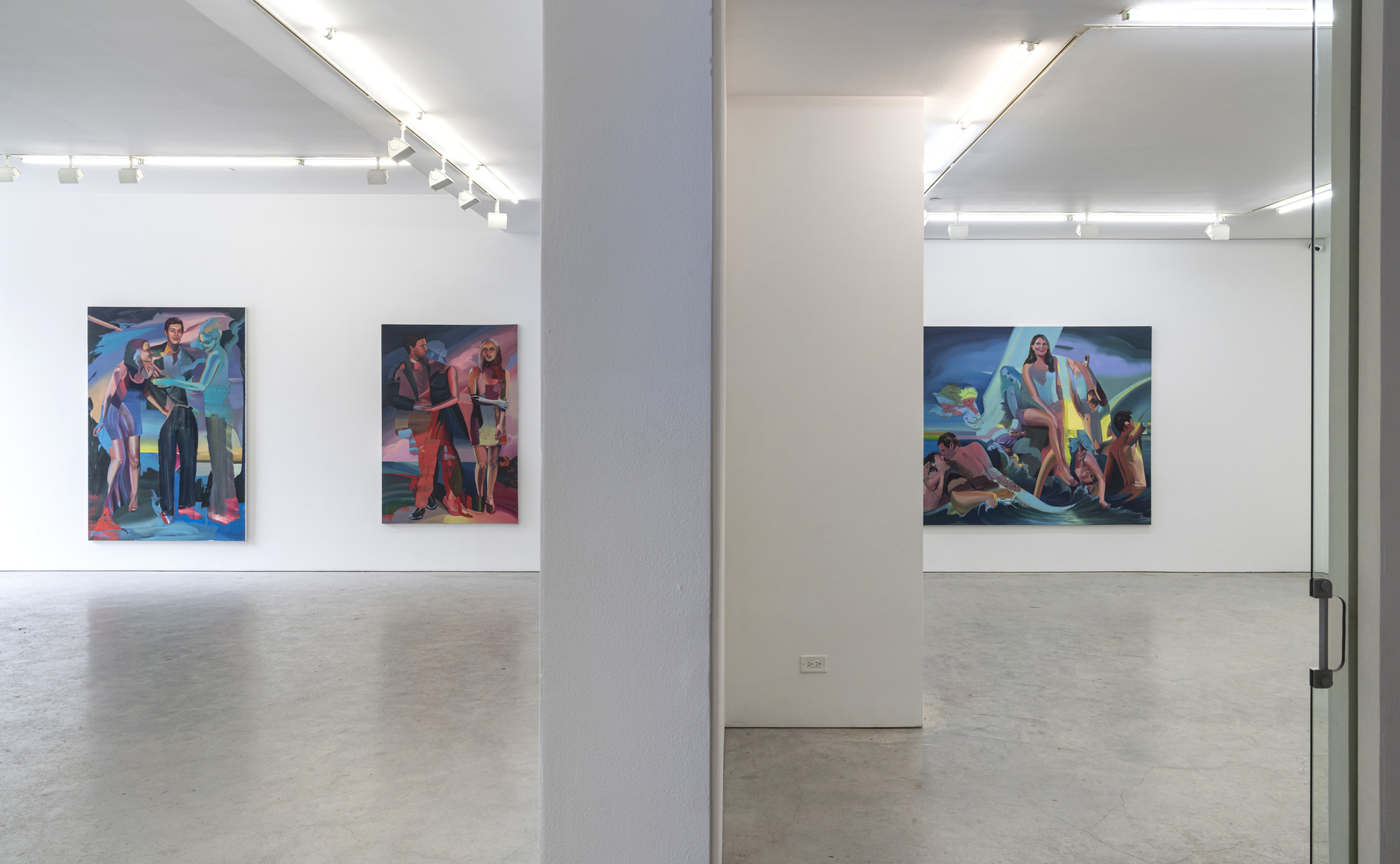
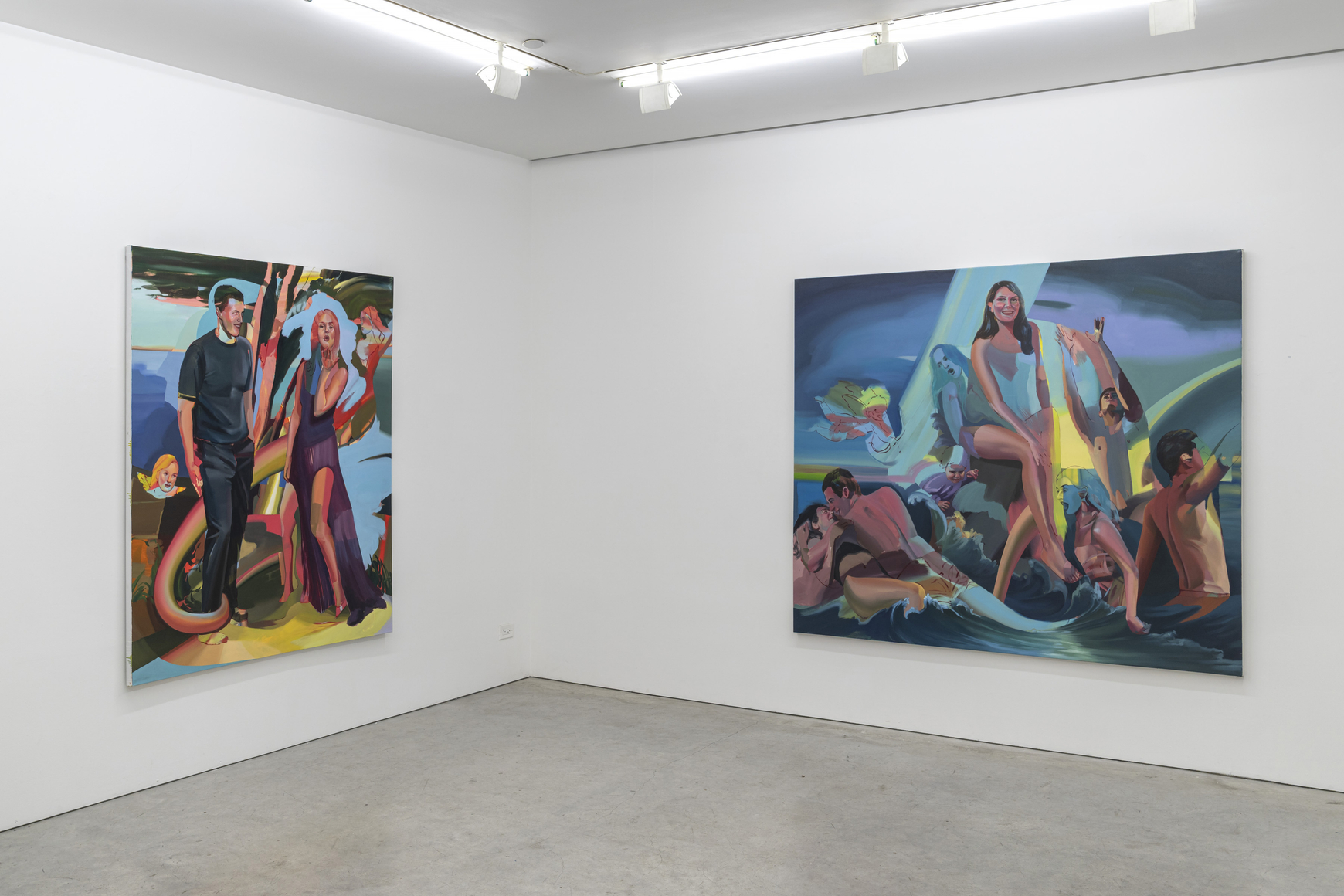
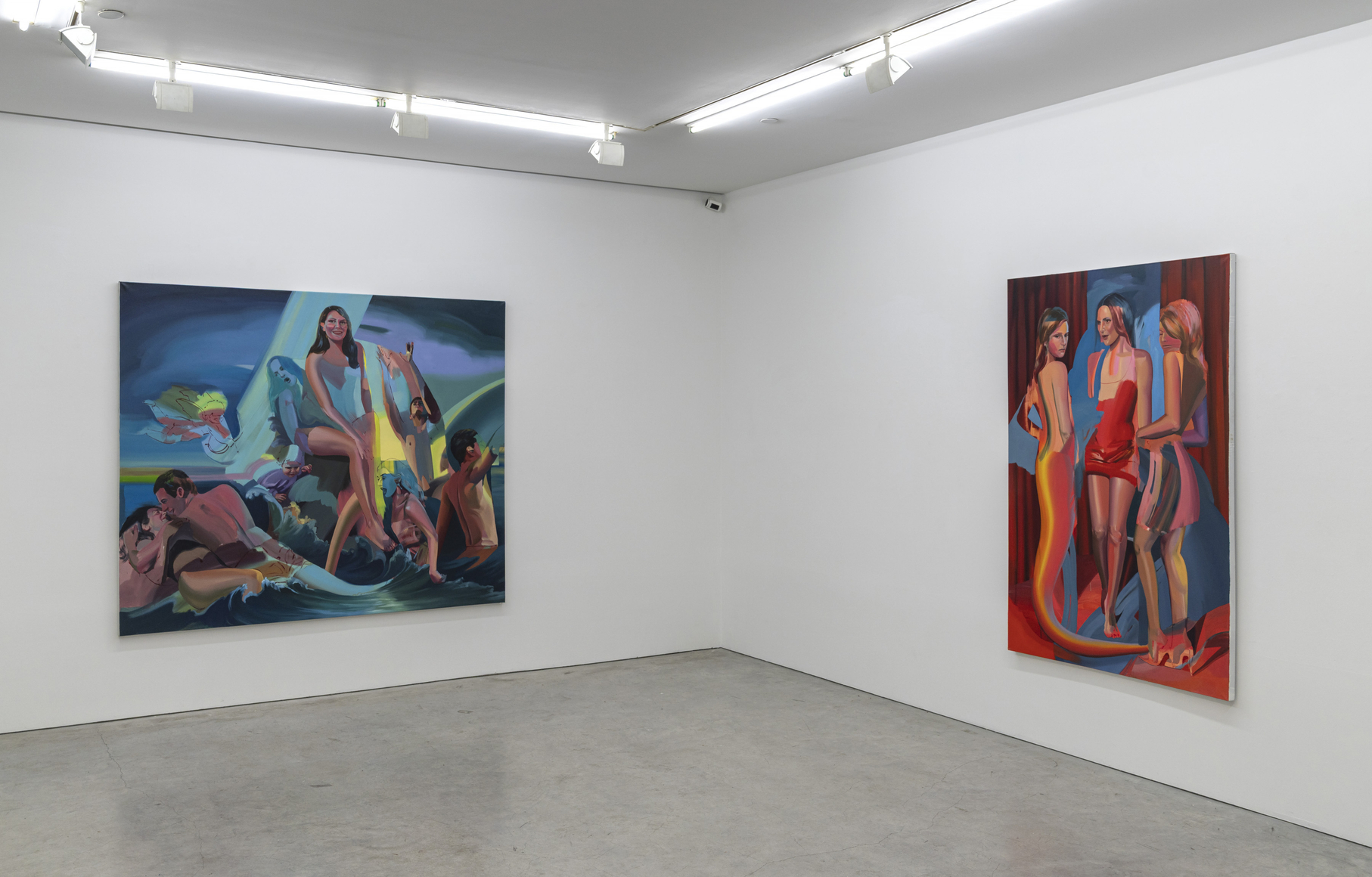
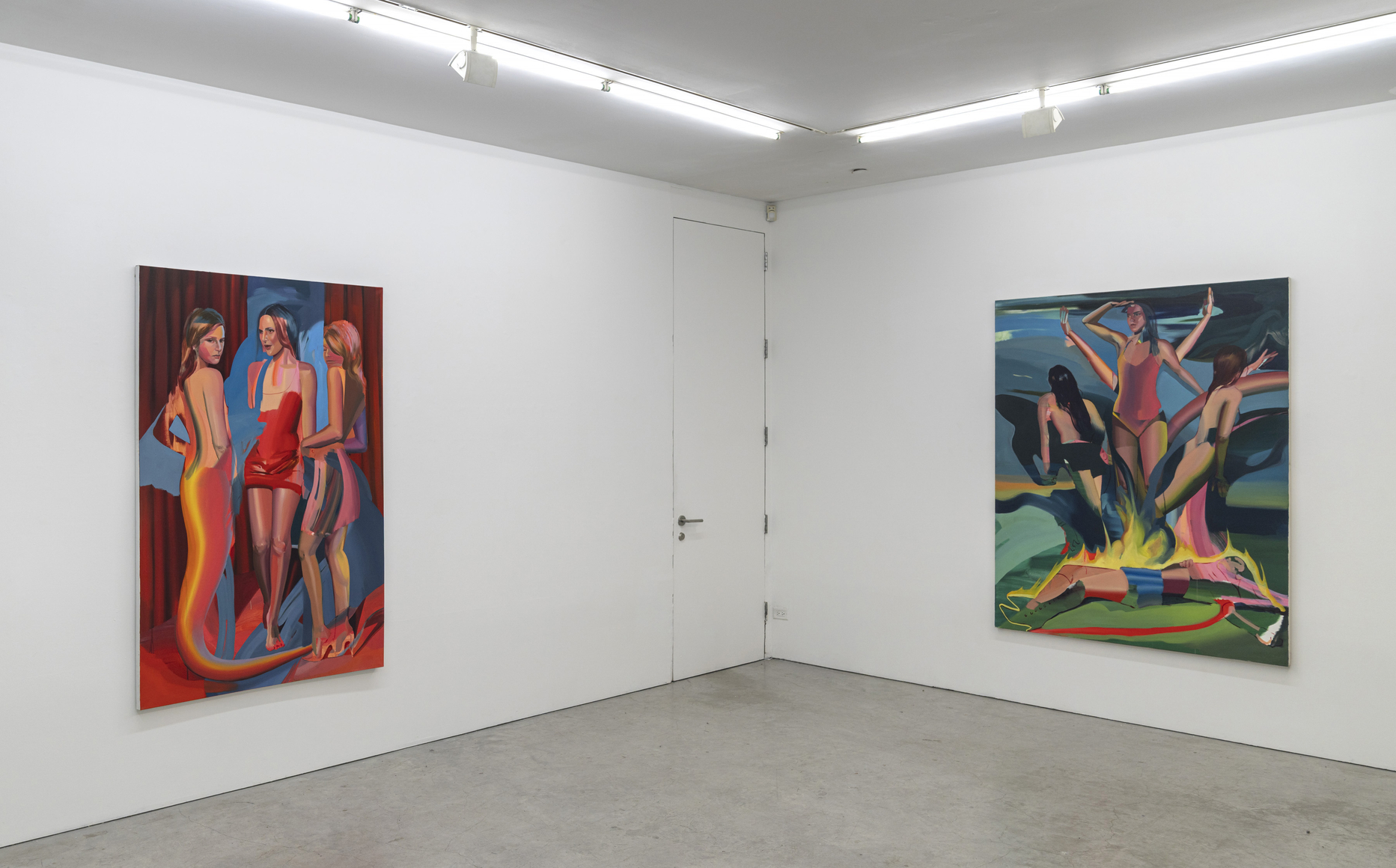
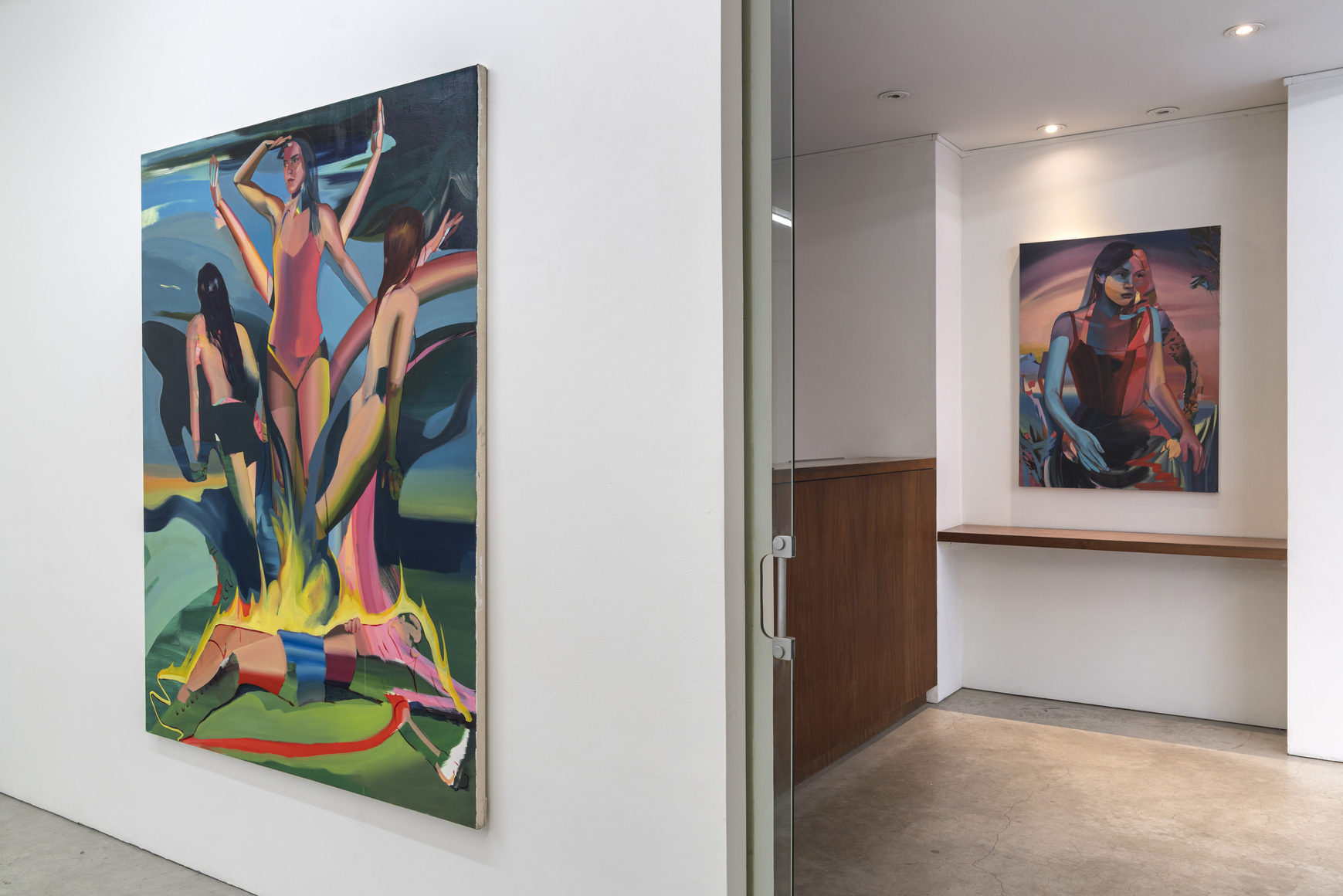
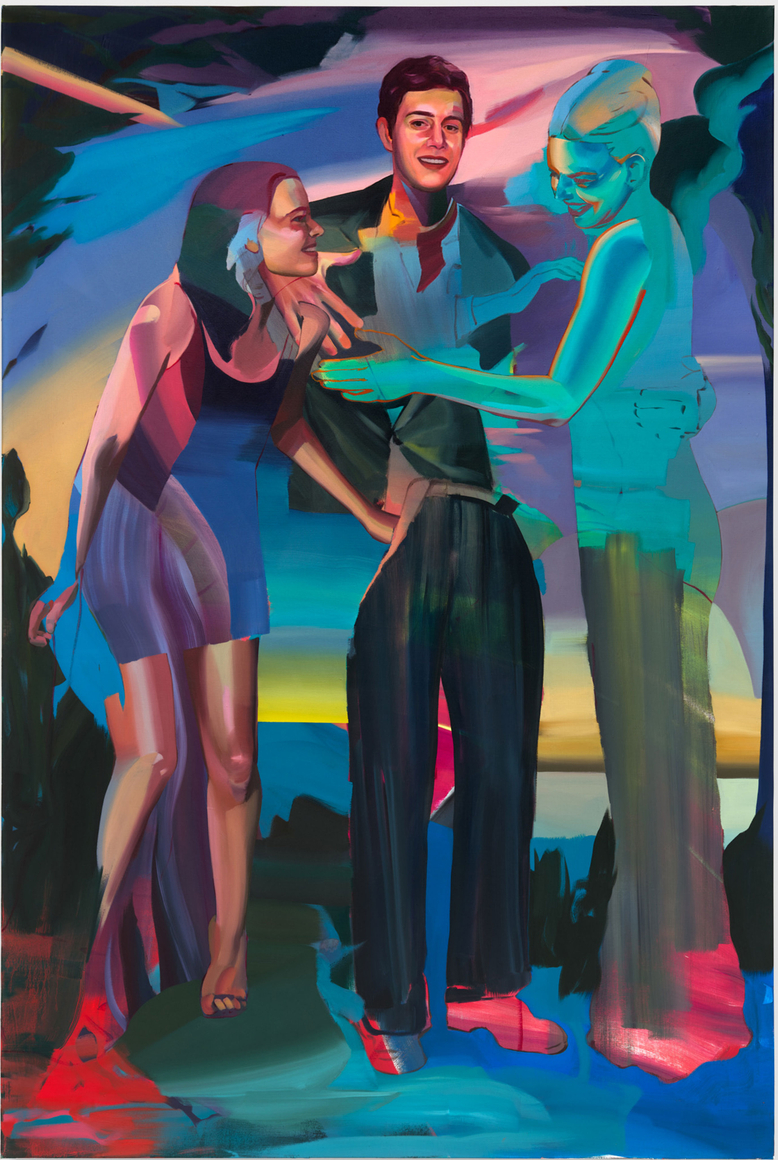
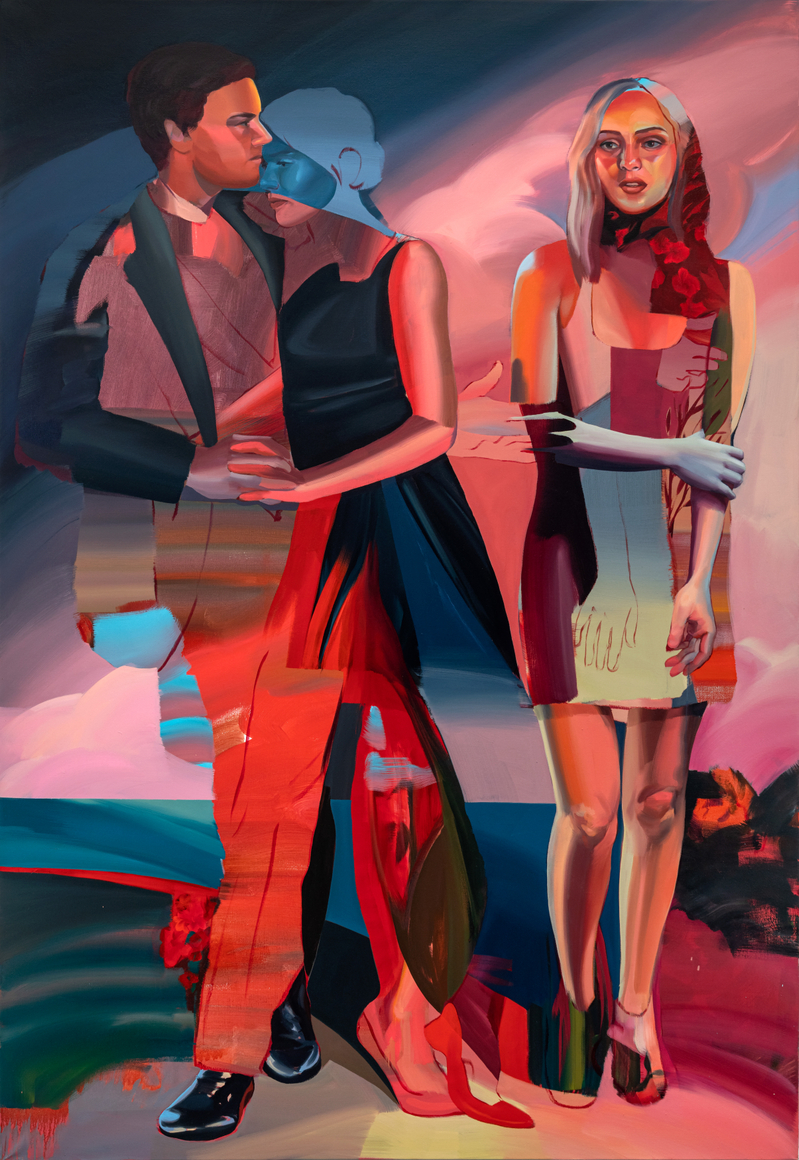
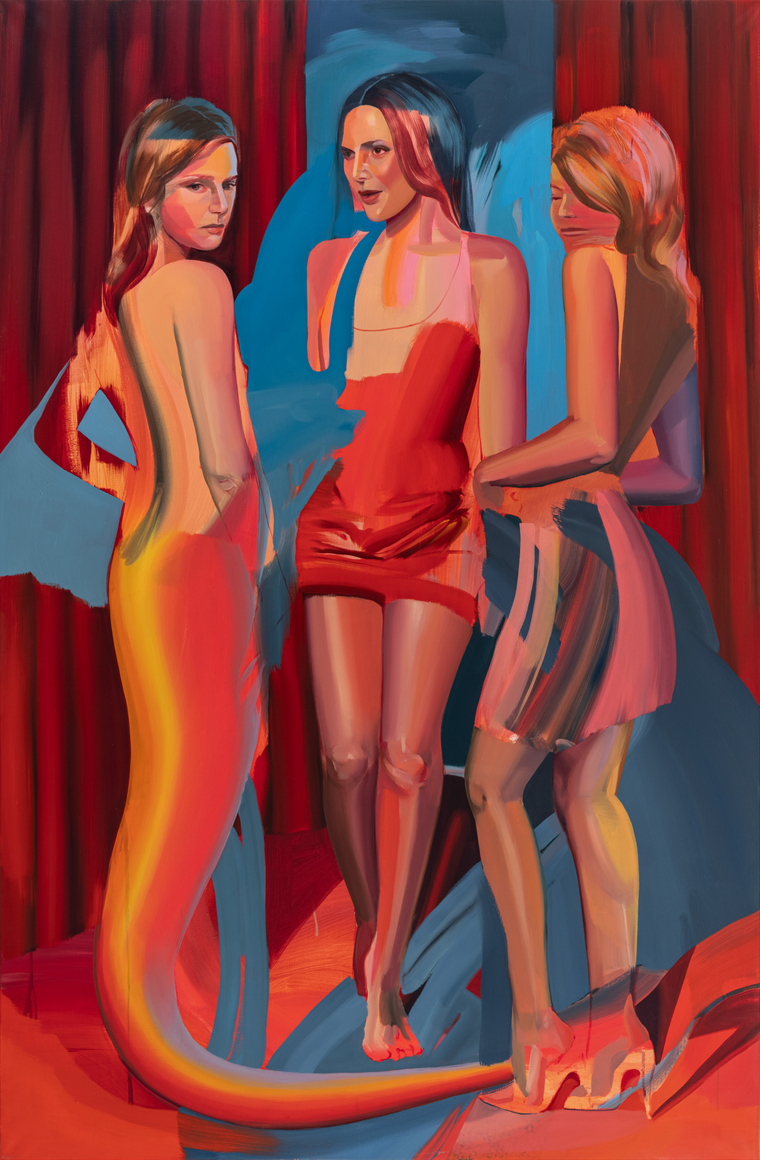
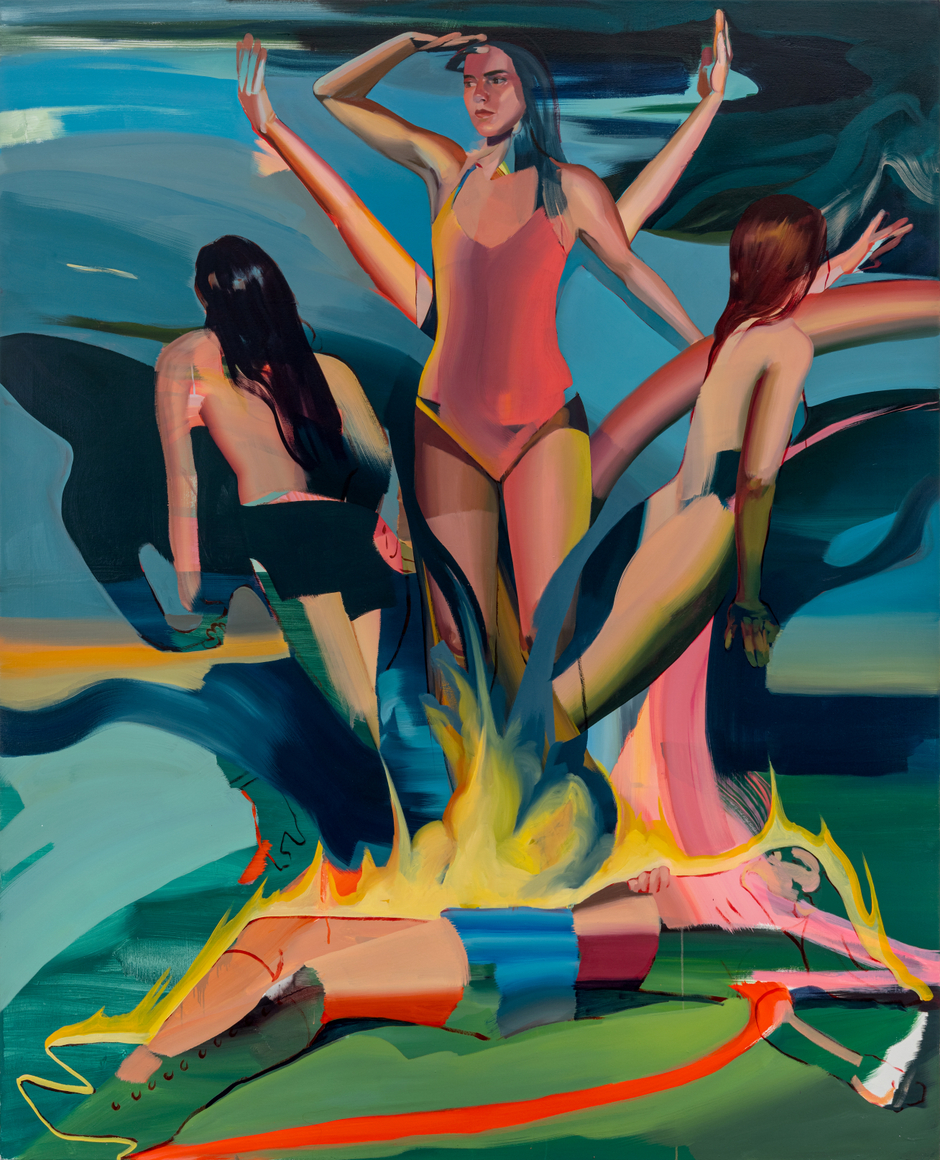
Lizzy Lunday’s paintings are built around how people look at one another and what happens when they are seen. Using the compositional logic of classical painting, she stages scenes that are easy to enter but difficult to pin down. Figures gather, watch, touch, and test one another, yet meaning never fully coalesces. It moves between bodies rather than settling into a single narrative. The work focuses on what it means to be visible now, and what that visibility demands.
Lunday’s practice grows out of postwar American painting’s long engagement with celebrity. Where earlier painters treated celebrity as spectacle and myth, and later turned it inward toward private experience, Lunday addresses myth under a different condition altogether: a world of constant, largely self-generated visibility, staged celebrity, and performed intimacy. In response, she paints figures that aren’t portraits or symbols, but roles (performers, witnesses, instigators) caught between control and exposure. They function less as individuals than as part of a shared choreography. Power shifts subtly from one body to another. Attention matters. Arrangement carries narrative force, but myth no longer arrives as belief or destiny. It operates as performance, as roleplay slips free of consequence and spectacle becomes ambient.
Rather than quoting the past, Lunday puts it back to work. Classical composition remains intact, carrying its full weight of ambition, hierarchy, and visual confidence. What changes are the figures placed within that structure. Her cast of interchangeable, self-performing roles fits comfortably within the language of history painting yet cannot sustain the heightened meaning that language once guaranteed. Gesture, spacing, and gaze take on outsized importance, while color and space drift just enough to prevent resolution. The paintings arrive with the scale and conviction of history painting, but redirect belief toward something else: visibility, performance, and recognition itself.
Lizzy Lunday (born Kansas City, KS, 1992) lives and works in Brooklyn. Her work is currently on view at Peoples, New York. The Sky Below will be her third solo exhibition at Fredericks & Freiser.